Managed IT for Consistency at Private Equity & Venture Capital Firms.

One IT and security process for due diligence and managing across your portfolio

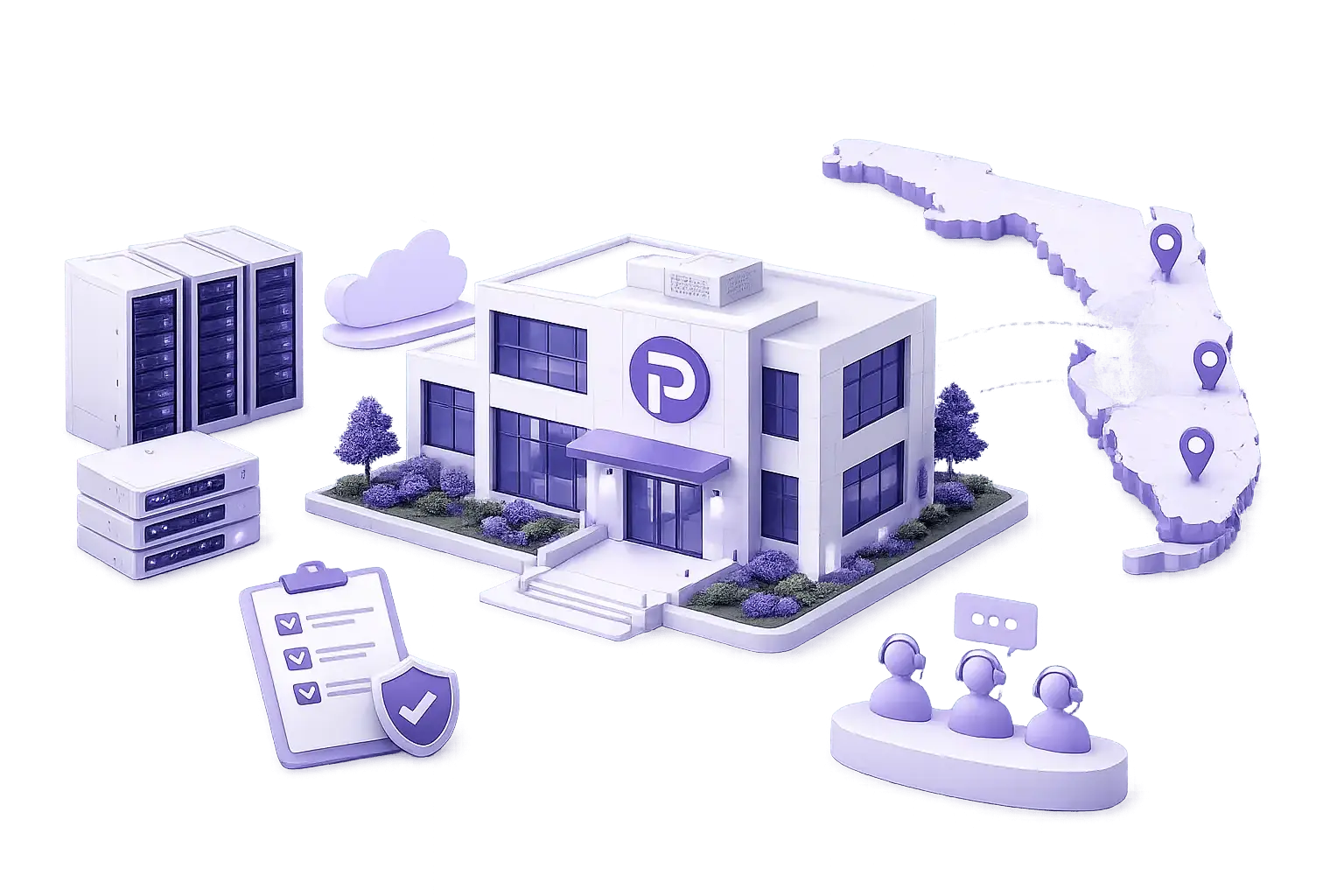
ProSource offers Private Equity and Venture Capital firms one repeatable way to handle IT and security: the same pre-close review for due diligence, the same baseline after close, and the same minimum standard and summary format at each portfolio company. We have offices in Oviedo, Orlando and Melbourne and support clients nationwide.

Why leading PE firms are standardizing IT and security

Cyber risk now shows up in deal results. In a global Kroll survey of 325 private equity executives, 94% said cyber risk had a financial impact on their portfolio companies, and deals disrupted by it cost about $2.1 million on average. Kroll's conclusion is that cyber risk "has also become a direct threat to deal flow and valuation."

Most of that exposure sits in the portfolio. ACA Group benchmarked more than 300 portfolio companies across 18 industries and found that half carried elevated or high cyber risk, with vendor oversight and penetration testing among the weakest areas. "The data shows that cybersecurity risk is not evenly distributed and cannot be evaluated in isolation," said Greg Slayton of ACA Aponix. Lower risk scores went with the basics: regularly updated policies, clear ownership, board involvement and tested response plans.

Larger firms have answered with a standard. In the Kroll survey, 81% of larger firms said cyber due diligence is a standard part of transaction diligence, against 29% of smaller firms. Jason Koehn of Hilco Global puts it this way: "For funds of all sizes, establishing a portfolio-wide approach is critical to ensure that cyber risk is benchmarked and minimum standards are enforced." Alvarez & Marsal's 2026 value creation survey points the same way. Markus Lahrkamp of A&M says the firms that outperform will be the ones that "close the gap between diligence and execution by building repeatable operating mechanisms."

LPs ask too. PEI Group's Private Funds CFO Insights Survey 2026 found that cybersecurity tops the list of what investors ask about in due diligence questionnaires, alongside valuations and compliance.

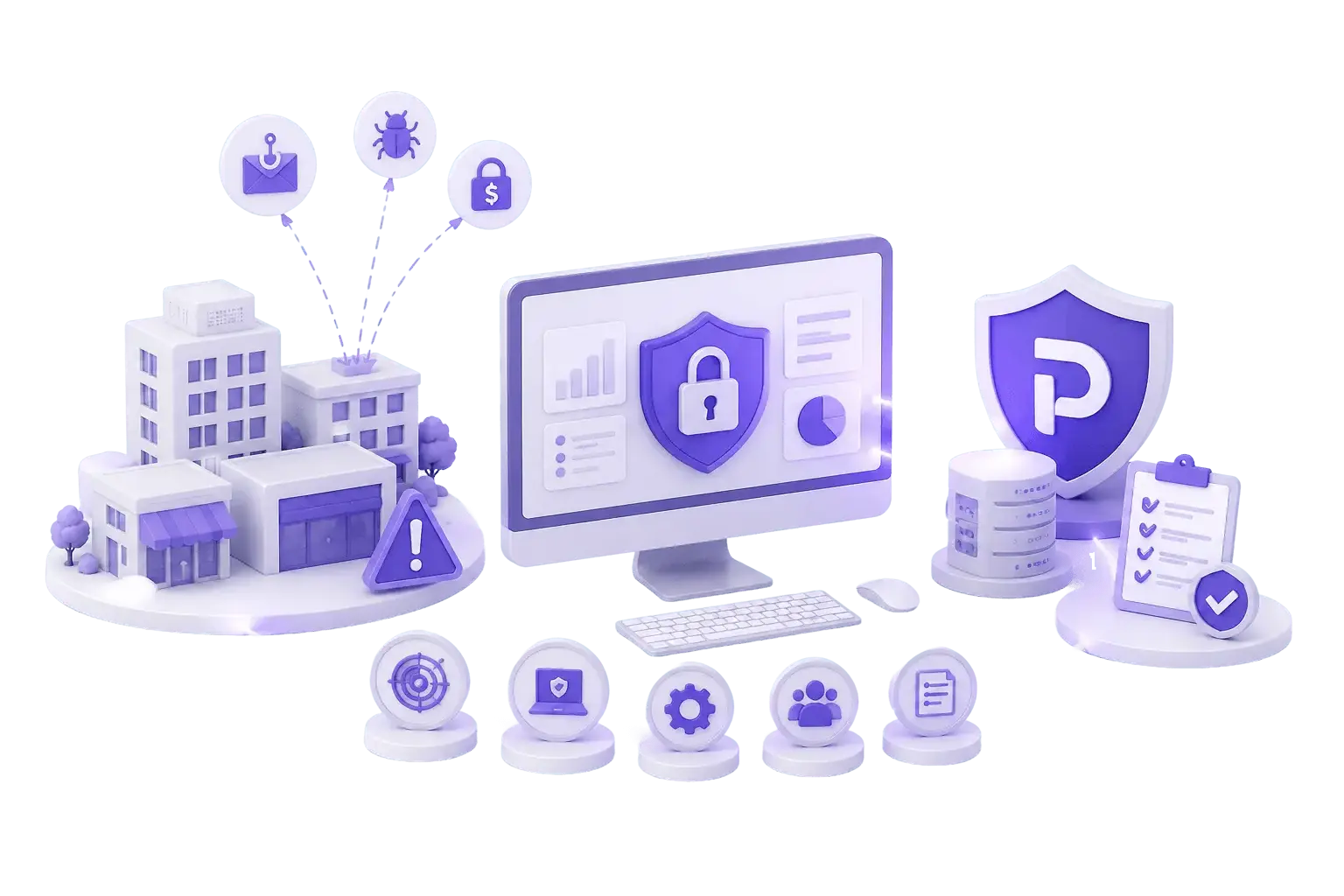
Cyber risk across a portfolio of companies

Four ways Private Equity and Venture Capital firms use ProSource

Firms bring us in at different points in the life of an investment. Some use one of these; many use all four.

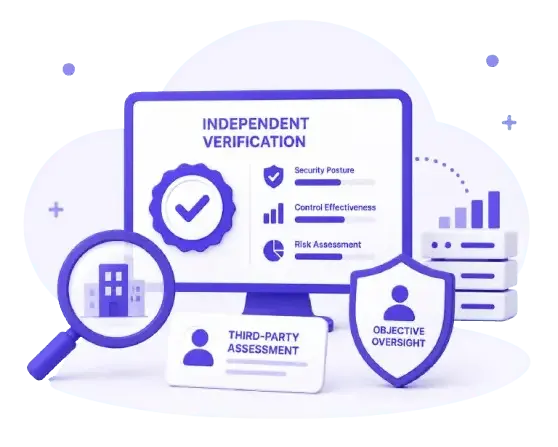
Independent pre-close technology review

01 Review before close

For the deal team, inside the diligence window. We can be as involved as you want, from a document review to a full internal and external review, and it helps to speak with the target's IT manager or team. We review a target's systems only with explicit permission from all parties, preferably under a mutual NDA. You get a short red-flag memo, findings ranked high, medium and low, each with the evidence seen, and cost ranges split one-time and recurring.

Pre-Close Technology Risk Review: what it covers

A pre-close technology risk review is document-led, interview-limited and done from the outside in. It fits inside a diligence window and is scaled to the company's sites, users and systems.

For: the deal team, before close

What we look at: the data room, a few short management interviews, and the target's systems, from the outside and, where the deal allows, from the inside (only with explicit permission from all parties), across network and infrastructure, endpoint security, identity and access, email security, backup and recovery, and compliance gaps.

What you get:

  • A short red-flag memo, findings ranked high, medium and low, each with the evidence seen
  • A findings register
  • Remediation estimate ranges, split one-time and recurring
  • Day one priorities and a list of items to confirm after close
  • A readout call with the deal team

Start any time. Don't wait until close is near: findings that surface late complicate the whole deal. A review before the offer or valuation is set shows the costs going in and any liabilities you could inherit.

Post-close baseline report and roadmap

02 Baseline after close

After close, the same team runs a hands-on baseline of the company as it actually is: risk-rated findings with evidence, a "fix now" list for anything urgent, and a 12-month roadmap.

A baseline gives the firm and the company's leadership one agreed starting point. Diligence was done from documents and interviews; the baseline confirms what is really in place, so decisions about spend, staffing and risk rest on evidence rather than on what was described. That gap is common: in a 2026 survey of 1,000 US small and mid-sized business leaders by the National Cybersecurity Alliance with CISA, 86.3% reported medium-to-very-high confidence in their ability to manage cyber risk, yet a combined 56.1% could not confirm a clean security record over the past 12 months.

The 12-month roadmap is built around the company's goals, its compliance requirements and its risk appetite. Urgent fixes come first, then the work that protects the value-creation plan, each item with an estimate range and an owner. Because the roadmap starts from a measured baseline, progress can be shown at every review, to the board, to the firm and, at exit, to buyers.

Post-Close Technology Baseline: what it covers

For: The firm or a portfolio company

What we look at: the same areas with hands-on access, a backup restore test, systems past end of support, IT vendors and contracts, and confirmation of what was said in diligence. We can evaluate the company against any set of expectations, regulations, frameworks or contractual obligations.

What you get:

  • A written report with risk-rated findings and the evidence behind each one
  • A "fix now" list
  • A prioritized 12-month roadmap with estimate ranges and owners, built around the company's goals, compliance requirements and risk appetite
  • A compliance posture summary
  • For companies that choose ProSource for managed IT: an onboarding and transition plan, whether the company is moving off a former parent's systems or merging into a platform company's systems
  • Optional: a one-page summary for the PE/VC firm
  • A recommendation meeting
One standard across multiple portfolio companies

03 Hold the whole portfolio to one standard

A firm that owns several companies needs to see risk the same way across all of them. We baseline every portfolio company the same way, so companies can be compared side by side and the trend is visible from one review to the next. We can evaluate them against any set of expectations, regulations, frameworks or contractual obligations.

The standard is tiered. Every company meets a common floor: multi-factor authentication, endpoint detection and response, patching, tested backups, an incident response plan and vendor oversight. Above that floor, requirements differ by market vertical and by contractual obligation. A healthcare company handling patient records, a business that takes card payments, a defense supplier, a software company whose customers require a SOC 2 report, and a financial services firm each carry different obligations.

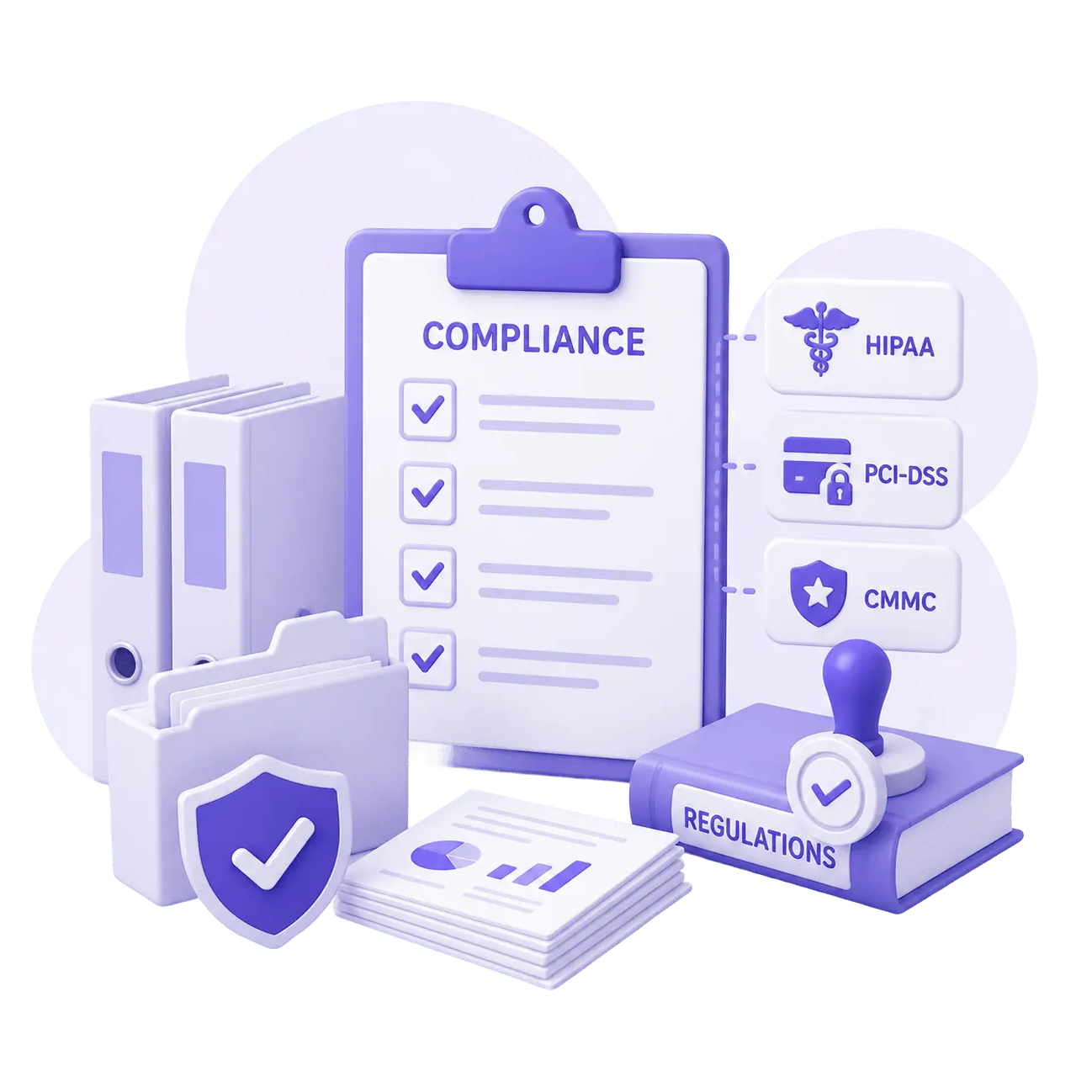
We align each company's standard to the frameworks that apply to it, including HIPAA, PCI DSS, CMMC, SOC 2 and SEC/FINRA requirements, so no company is held to rules that don't fit it, and none falls short of the ones that do. New add-ons are baselined against the same standard before their networks or tenants are connected to the platform company.

The result is one portfolio-wide view for the firm, a standard each company can meet, and a roadmap and budget for each company.

Standardized reporting dashboards

04 Report and respond the same way

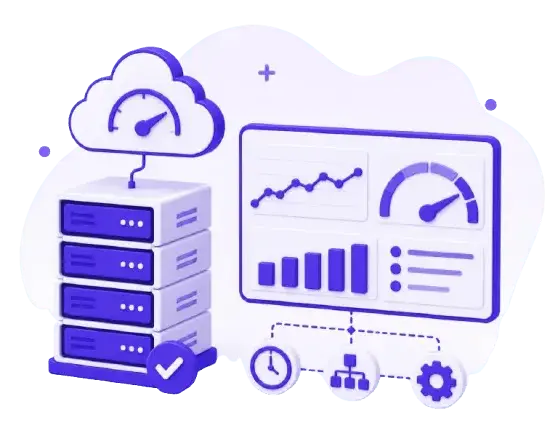
Results come back in the same format at each company, so your firm can compare them. Standardized reporting covers vulnerability monitoring, AI usage, patch management and compliance logging requirements, for a single company or rolled up across the portfolio.

24/7 threat monitoring and response is available as an option, for a single company or across the whole portfolio.

Our assessments are readiness and risk work. We do not provide legal opinions, and we are not an insurance broker or an auditor; for companies that are audited, we offer compliance as a service. Penetration testing is not part of these scopes. If one is needed, it is a separate engagement that the company being tested must authorize.

Benefits for every stakeholder

Managing partners and firm leadership

One way to handle IT and security on every deal, so issues surface before close and nothing is rebuilt from scratch at the next company. A written baseline at companies you do not run day to day, then extra hands without stepping on what each company's IT team runs.

COO and head of portfolio operations

The same baseline, standard and summary format at each portfolio company, without your team running IT. When a company moves to ProSource, it follows a structured onboarding process we have refined over 20 years in business, including tenant moves, file-sharing platform migrations and QuickBooks Desktop hosting on our own infrastructure in a Tier III data center.

Deal teams

The same pre-close scope on every deal, and a red-flag memo you can plan around.

CFO

Ranked findings with one-time and recurring cost ranges, and consistent answers when others ask about cybersecurity. The cost advantages grow with economies of scale: the more of your portfolio we support, and the better we know your team and preferences, the more efficient the work becomes. Our managed services are all-inclusive for the services in your plan, at a set cost per employee per month, so you don't have to keep track of multiple IT bills every month or worry about variable fees.

How we work

  1. Assess. We review what is there, with evidence, before close or after it.
  2. Plan. You get a prioritized roadmap with estimate ranges, and a "fix now" list for anything urgent.
  3. Implement. If you want us to, the same team carries out the fixes, integrations and transition plans.
  4. Support. White glove fully managed IT, or a co-managed environment with your IT manager. 24/7 Security Operations Center (SOC) threat monitoring also available.

Each step is offered, not assumed. You can stop after the roadmap.

Why ProSource

  • One process you can repeat. The same scope, the same control set and the same summary format at each portfolio company, so results can be compared from one company to the next. Where a company has special regulatory requirements, we expand the scope.
  • Local offices, nationwide support. Offices in Oviedo, Orlando and Melbourne, with remote management for companies in other states and on-site support where appropriate.
  • One team from assessment to support. The team that assesses can fix and run any part of the environment. Already have an IT person? We’re happy to let your team keep the things they’re best at while we add coverage, tooling, and specialization.
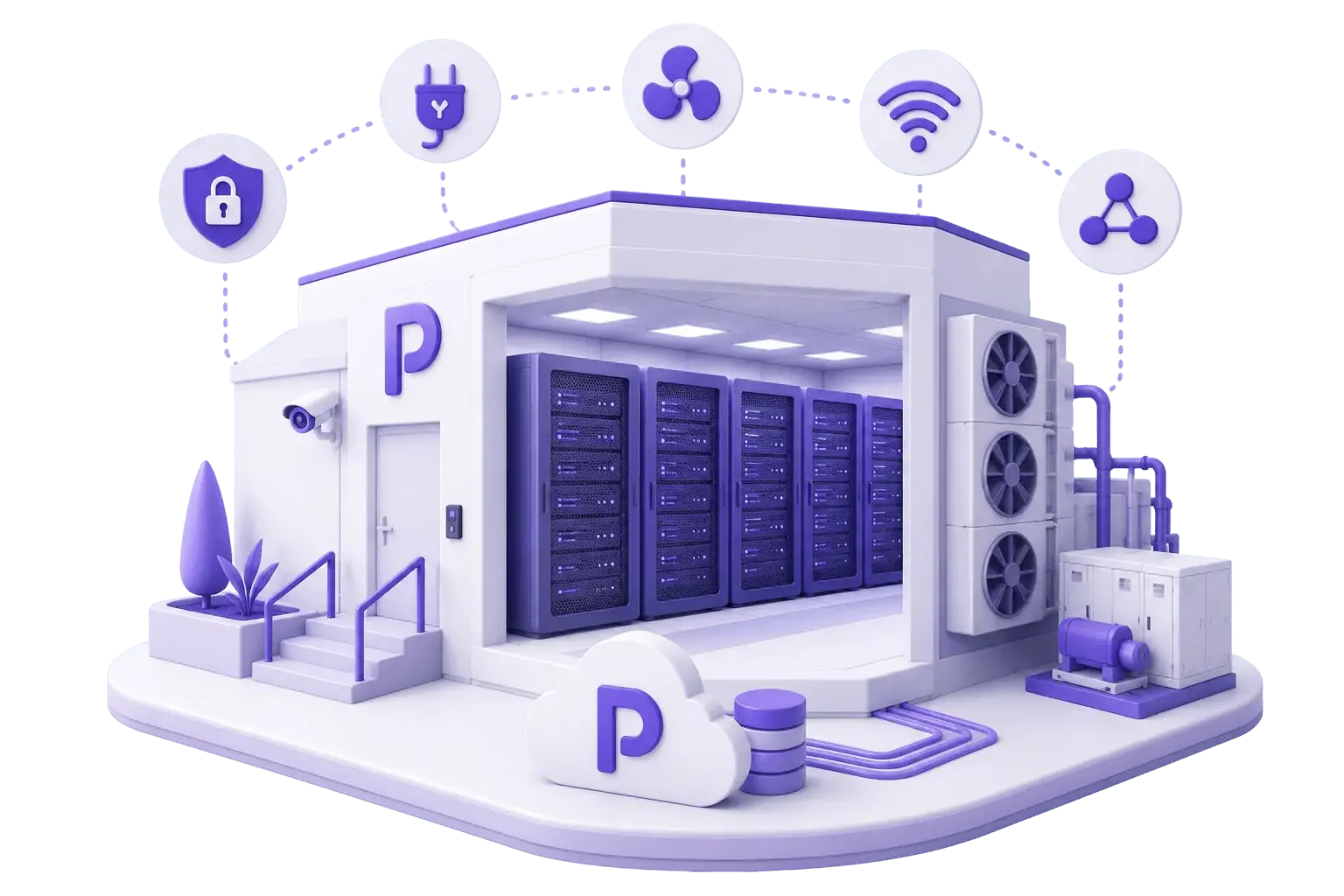
  • Tier III data center in Melbourne. We own and operate our own infrastructure, located in our Tier III data center in Melbourne, FL. It is audited for SOC 1 Type 2, SOC 2 Type 2, ISO 27001, NIST 800-53, PCI DSS and HIPAA, with N+1 and 2N redundancy.
  • Regulated-industry readiness. Readiness and gap work for HIPAA, PCI-DSS, CMMC/DFARS, SEC/FINRA and SOC 2, plus cyber insurance readiness documentation. We sign BAAs. We are not an auditor or assessor: we help companies understand and put these requirements in place, and we offer plans with compliance as a service, so we can worry about the controls for your upcoming audits.
  • Founder-led since 2006. Founded and led by CEO Leon Hart, with named team members rather than anonymous tickets.

For your firm's own operations

Your own firm has obligations too. We can review your firm's own IT and security, alongside your counsel and compliance team. We do not provide legal opinions; your counsel decides how the rules apply to your firm.

Governance, risk and compliance review for the firm

Frequently asked questions

Can you run the same process at every company we own?

We can run the same process at each portfolio company. Your firm sets the minimum standard, and each company gets its own roadmap and budget.

Our companies are in different states. Does that work?

Yes. We support clients across the US and abroad through remote management, with on-site support where appropriate. Our offices are in Oviedo, Orlando and Melbourne.

What does it cost?

It depends on the company: the number of sites, users and systems, the deal timeline and what you need to know. It starts with a brief introductory call about your needs, timeline and regulatory requirements. From there, you choose a high-level view or a full pre-close or post-close deep dive, which can include a migration plan and managed services.

How long does it take?

It depends on access and size. We discuss your timeline on the introductory call.

Do you replace a company's IT team or current provider?

We offer both fully-managed and co-managed IT services. This means you can use ProSource as an extension of your team (co-managed services) or we can be your entire IT department (fully-managed services). Co-managed support keeps the IT lead in place and adds coverage where the team is thin. Fully-managed IT has ProSource completing virtually all of your IT needs with services like vCISO and compliance-as-a-service available as needed.

Can you test our target's systems before close?

We review a target's systems, inside or out, only with explicit permission from all parties, preferably under a mutual NDA. Penetration testing is a separate engagement the target must authorize.

But isn't a SOC 2 report enough?

Not on its own. A SOC 2 report is useful evidence if the target has one, but it reports on a system, not necessarily on the whole company or all of its products and services. Management defines the boundaries of that system, and anything outside those boundaries is outside the auditor's opinion. An ISO 27001 certificate works the same way: it covers the scope the company chose for its security management system. When you acquire a company, you acquire all of it, including the products, systems and hidden liabilities the report never looked at. Diligence still asks about the accounts, contracts, incidents and end-of-support systems that matter to the deal.

Will the assessment make the company compliant or insurable?

No assessment can promise that. We show where the company stands against the standards that apply, help close the gaps and document the evidence. Auditors, regulators and insurers make their own decisions.

Book an introductory call

ProSource Technology Solutions | Oviedo, Orlando and Melbourne, Florida | 888-948-7767 | sales@getprosource.com | getprosource.com